The Thanksgiving it snowed: The Great Appalachian Storm of 1950.
This was one of the few times when the term "Storm of the Century" was probably deserved.
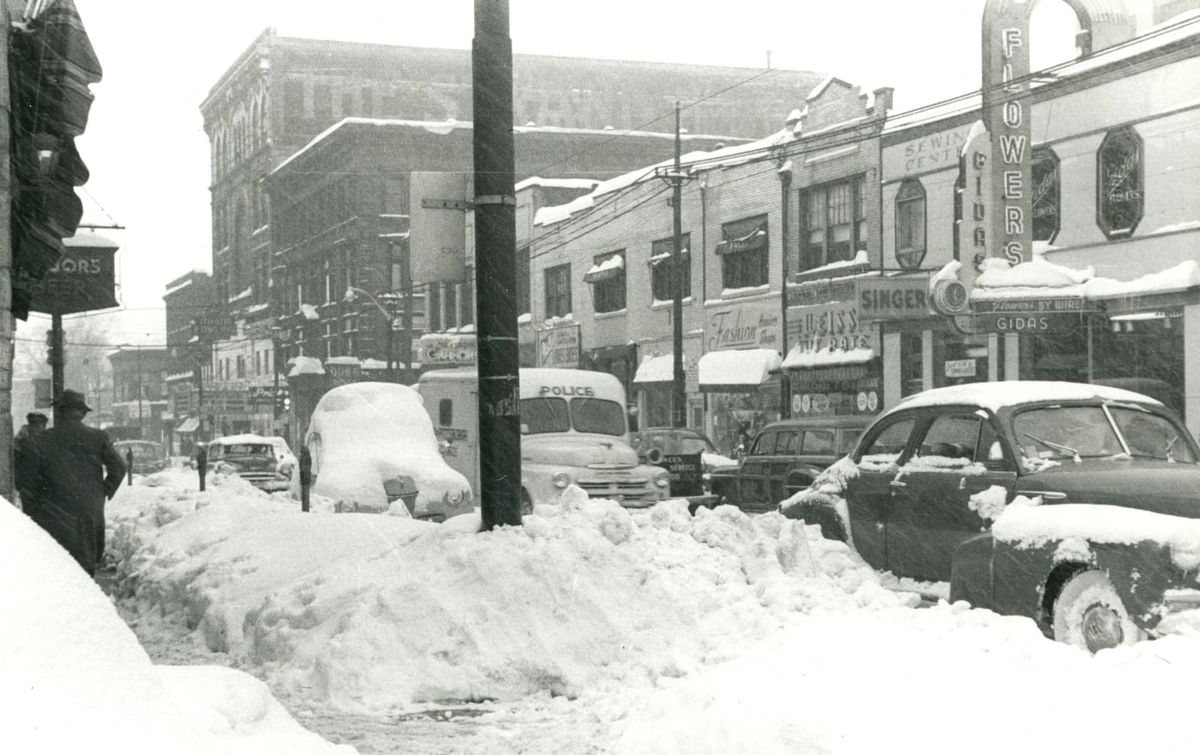
Most of us in the United States this week are preparing for the Thanksgiving holiday, and some unseasonable weather has been predicted for the event, particularly for the West Coast. November in the U.S. has historically been a very mercurial month, sometimes serving up truly epic weather events. One Thanksgiving weekend was especially noteworthy in that regard. The Great Appalachian Storm, as it came to be known, began forming on the day after Thanksgiving 76 years ago tomorrow, on November 24, 1950, and went on over the next six days to set and break extreme weather records all over the eastern U.S. While many have heard of “nor’easters,” this particular storm was what one might call a “sou’easter,” and it was definitely one for the history books.
The storm was what meteorologists call an “extratropical cyclone”—for all intents and purposes, a hurricane that formed outside the tropics. Snow began falling in many parts of the eastern U.S. on Thanksgiving evening, November 23, just as many families were washing dishes and napping off the tryptophan from holiday turkey. The not-unusual snow event, however, merged with a low pressure area forming over North Carolina the next day, November 24. Over the succeeding 24 hours, the storm became a “bomb”—another meteorological term meaning a cyclone that experiences sudden and extreme deepening of atmospheric pressure. The snow kept coming down, everywhere from West Virginia to Ontario, plus most of New England. Residents were stunned at the incredible snowfall.