Behind the Scenes: TWA, The Rise & Fall.
My latest video delves into the history of one of America's most iconic airlines, now long vanished.
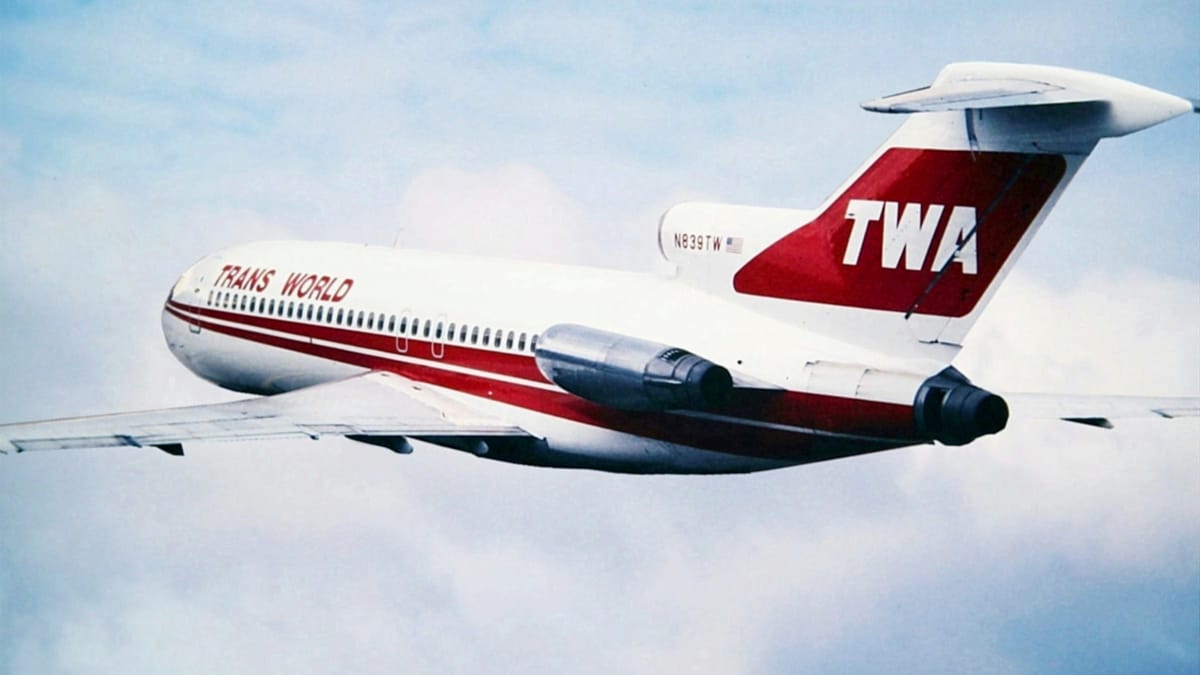
Another video is finished! Today is release day for my latest deep-dive YouTube video, titled “TWA: The Rise & Fall.” It’s been 55 days since my last video went up, slightly longer than usual, though of course the holidays fell in that interval. But, it’s ready now, and if you’re interested I hope you can find time (2 hours 19 minutes) to take a look at it. There are several documentaries about TWA on YouTube, but I couldn’t find any with the length and depth that I tried to bring to it in this presentation. I’ve embedded it below if you want to watch it, or perhaps copy the link to see it at a later time.
The history of Trans World Airlines, formerly called Transcontinental & Western Airlines, is congruent with the history of the commercial aviation industry in America generally. It also has a number of quirks of its own that can’t be found in the history of any other airline. The line was formed in 1930, at the depths of the Great Depression, through the merger—forced by Walter Folger Brown, the U.S. Postmaster General at the time—of five airlines and ail mail delivery services, the largest of which were Transcontinental Air Transport and Western Air Express. Only the year before TAT had begun offering America’s first transcontinental transport service, which utilized both planes and trains to get people between New York and Los Angeles in slightly less than 48 hours. Charles Lindbergh, the much-vaunted aviation hero of the day, flipped the switch to inaugurate the service, and shortly afterward piloted one of TAT’s first flights. From these beginnings grew the airline that millions of travelers knew over the 20th century from its distinctive red and white planes, and, for a time at least, for its high quality of service and reliability.