Year’s end: The best of the Garden in 2025.
Goodbye to 2025. Here are what I think are the best articles I wrote this year.
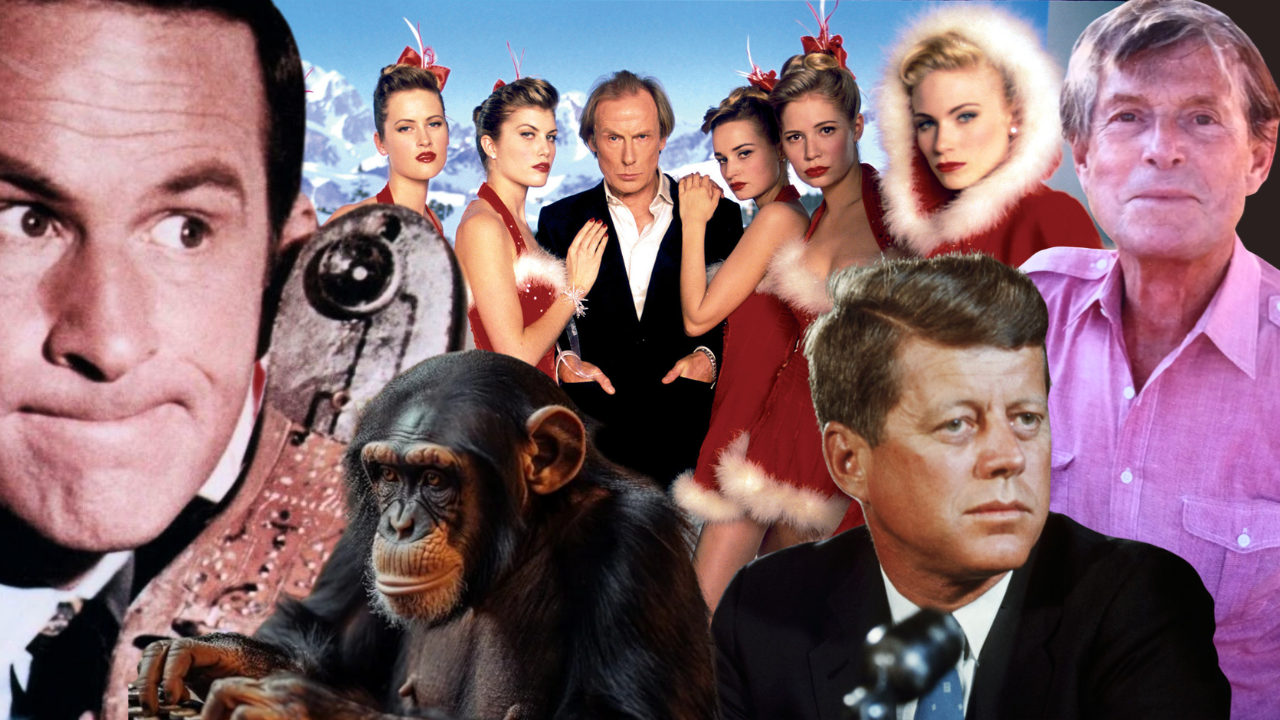
It is New Year’s Eve day. I’m sitting here on my bed, laptop on my knee-desk, in exactly the same place I was a year ago writing last year’s version of this same article, and I can hardly believe that in a few hours it will be 2026. This past year has been the second full calendar year that the Garden of Memory has existed, though 2023 was almost one (the blog launched in January of that year). I have to tell you that, of all the creative and historical projects I work on, this blog is my favorite. The readership is intimate and I feel like my words and ideas go deeper and resonate with more meaning here than they do even on my YouTube channel, for which I’m much better known. It’s now a tradition, on the last day of the year, to do a round-up of the articles that I think are the best, and/or my favorites, from the year just past. I’ve been looking forward to doing this retrospective for several weeks now.
As I said last year, I rarely look at membership or readership statistics on this blog. I don’t really do this for clicks or circulation. Compared to my channel, which is very much a business, I don’t make a lot of money from the paid tier on this blog. So the articles listed here are not numerically the most-read or most popular. They are the pieces that I feel come the closest to the standards I set for myself, which admittedly were in January 2023, and are still today, pretty nebulous. Maybe you recall them from when they came out; maybe you’ll discover them for the first time from this list. I tried to cull the list down to ten but agonized over which last one to kick out until I realized, hey, it is my blog, and if I want my year end “top 10” list to be a “top 11” list, it’s my prerogative to do so. Thus, here are the greatest hits of 2025, in chronological order.
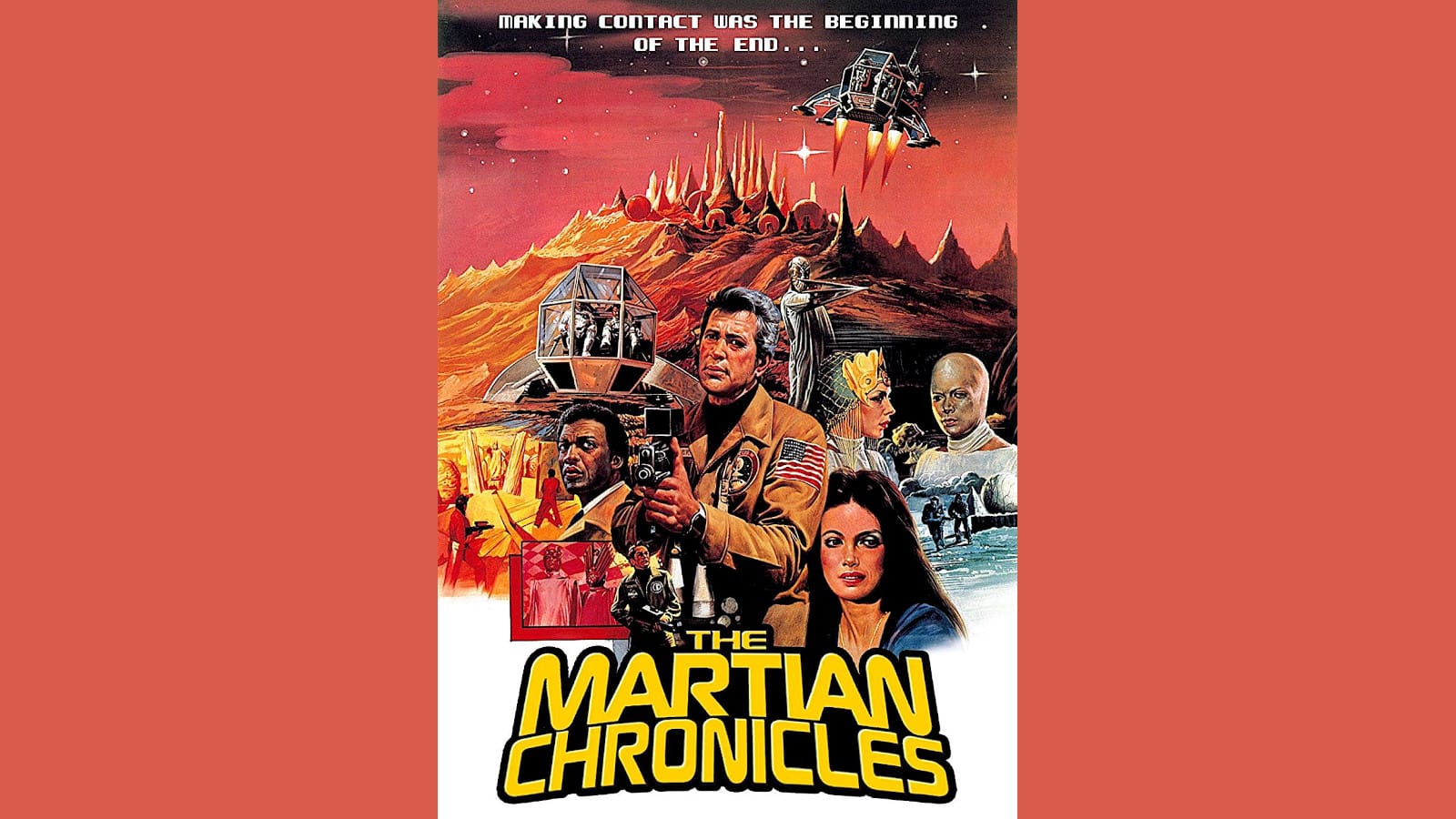
My journey with “The Martian Chronicles”: A terrible but nostalgic bit of TV science fiction. (Jan. 26)
What could there possibly be worthwhile to say about a 45-year-old television miniseries that got terrible reviews and mediocre ratings upon its initial airing in 1980? Well, I found a lot to say about it, and apparently it struck a chord with many of you. I just said I rarely look at readership stats, but I sometimes do, and I was astonished to see this as one of the highest-ranked pieces of the year. The Martian Chronicles was a highly imperfect TV adaptation of Ray Bradbury’s 1950 fix-up of short stories, but both the written and filmed versions had a lot to say about society, war, violence, and the conquest of the American West. In my article I noted that 1950, when Bradbury published the book, was close enough to the era of the real Old West and yet firmly under the mid-20th century shadow of atomic destruction to bridge the gap between them. The 1980 series similarly is far enough in the past to share that Cold War paranoia, yet close enough in the present to say something meaningful about how we conceive of Mars, and space in general, in the 21st century. My purpose in this article was not to rehabilitate The Martian Chronicles TV show, but to find in it something interesting and relevant in the present day. Unlikely as it seems, I think I pulled it off.
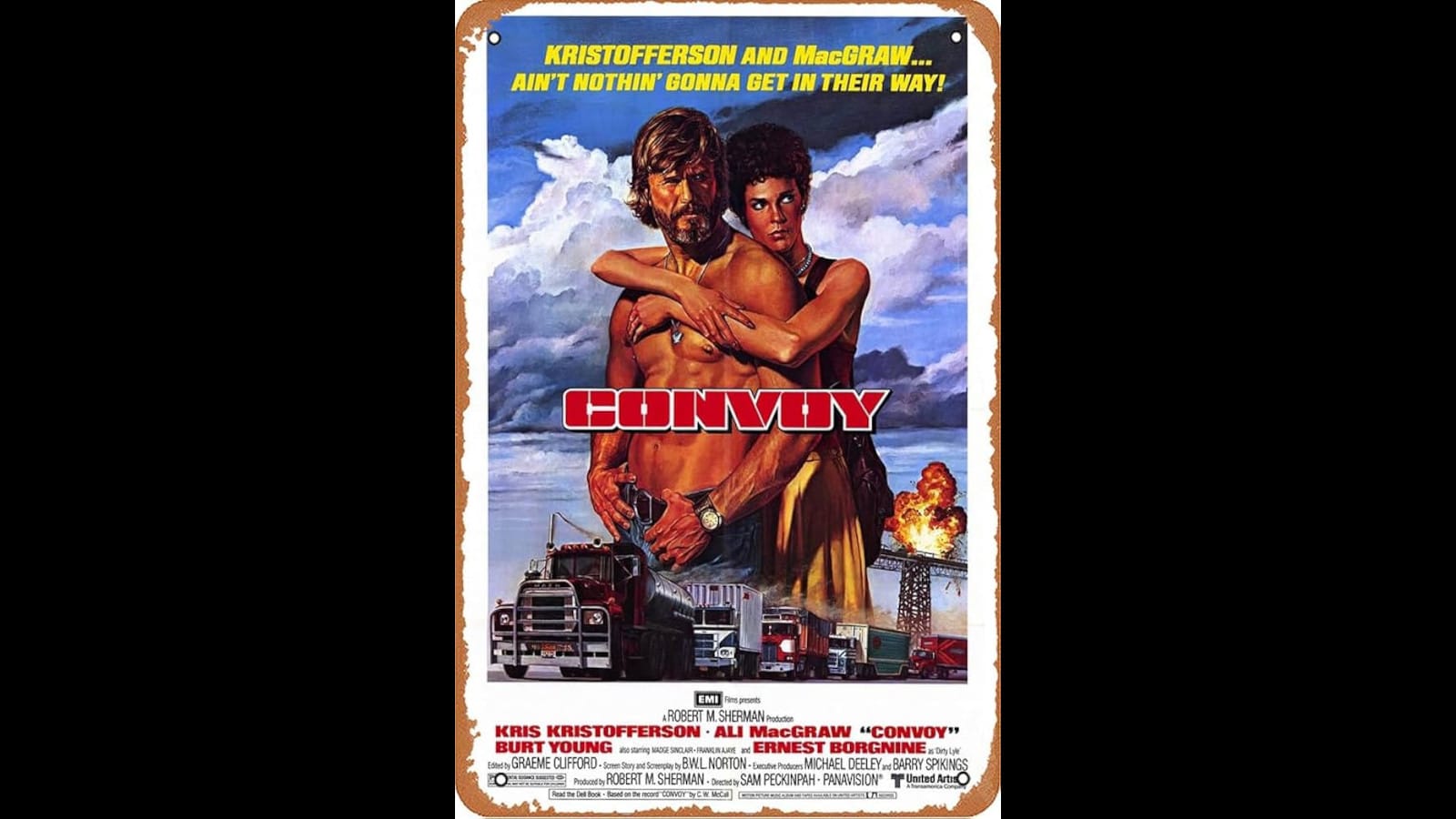
Romancing the road: “Convoy” and its vanished populist age. (Feb. 28)
I wrote a lot about movies in 2025, and this article was, I think, one of my best cinematic deep dives of the year. Here I examined troubled director Sam Peckinpah’s penultimate film, the 1978 crap-fest Convoy, though a historical lens, and I was surprised at how much I found to say about it. Convoy came out of the CB radio craze of the late 1970s and was an attempt by Peckinpah to revive his career, which was then on life-support. But also in the mix of the Convoy story was the hangover of Watergate, the curious populist reputation of actor and singer Kris Kristofferson, and differing conceptions, both from the 1970s and the 2020s, of what “freedom” in America (and Canada) really means. We talk about freedom in the abstract as though it’s a hallowed tree watered with the blood of our patriot forefathers (and foremothers), but cynical takes like Convoy suggest that when the rubber meets the road, no pun intended, people tend to have much narrower and more selfish definitions of it.
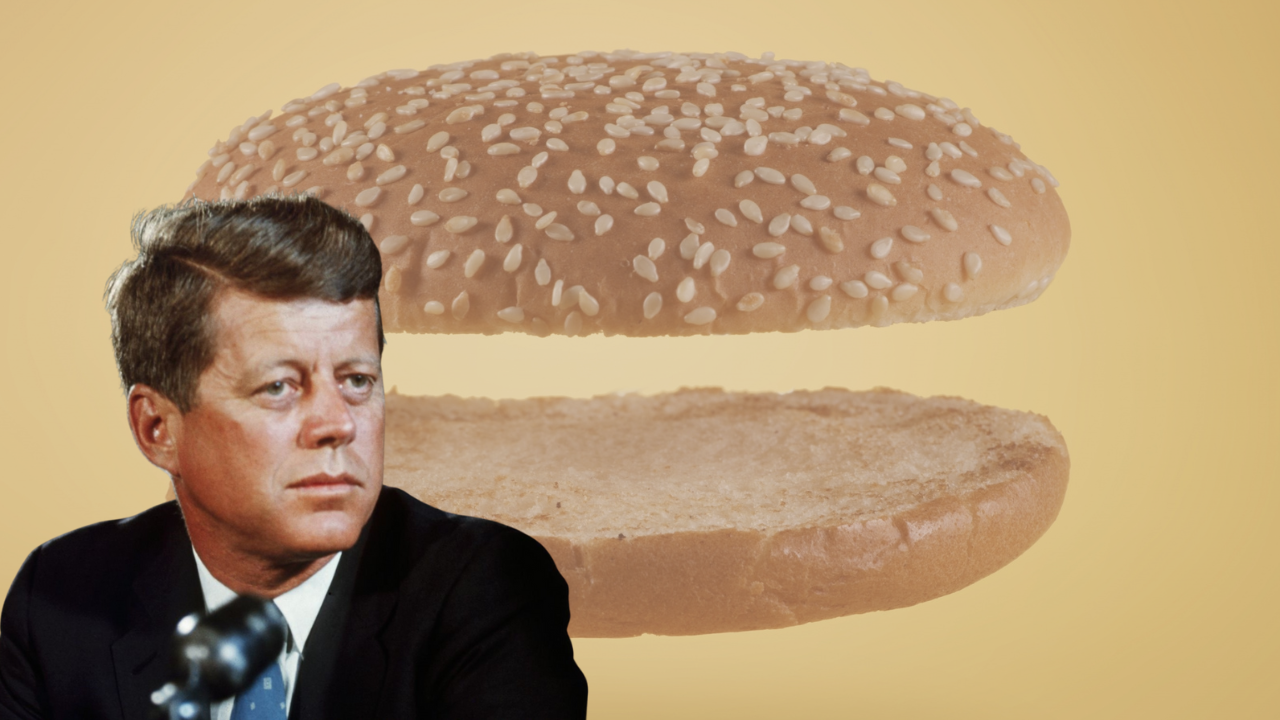
Nothingburger: The 2025 JFK document dump. (Mar. 21)
Here’s a rarity, an article that I was basically forced to do not because I really wanted to, but because of my reputation on a specific subject. As most of you know, in the summer of 2022 I did a two-part video series on my channel explaining the historical fact that, in the 1963 assassination of President John F. Kennedy, gunman Lee Harvey Oswald acted alone. Persistent delusions that there was some sort of conspiracy led to the release in March 2025 of federal government documents on the assassination, on which conspiracy theorists pinned valiant hopes that a “smoking gun” proving conspiracy would be unveiled. Yeah; it wasn’t. In this article I explained why the document dump was a chimera, and I even presented representative examples demonstrating why it doesn’t even come close to validating conspiracy theorists’ fantasies. How could the documents, what few were still left to release, show a conspiracy when there was in fact no conspiracy? They couldn’t, and didn’t. I literally received hate mail as a result of this article, but I think it’s one of my best of 2025, however angry it made the conspiracy believers.
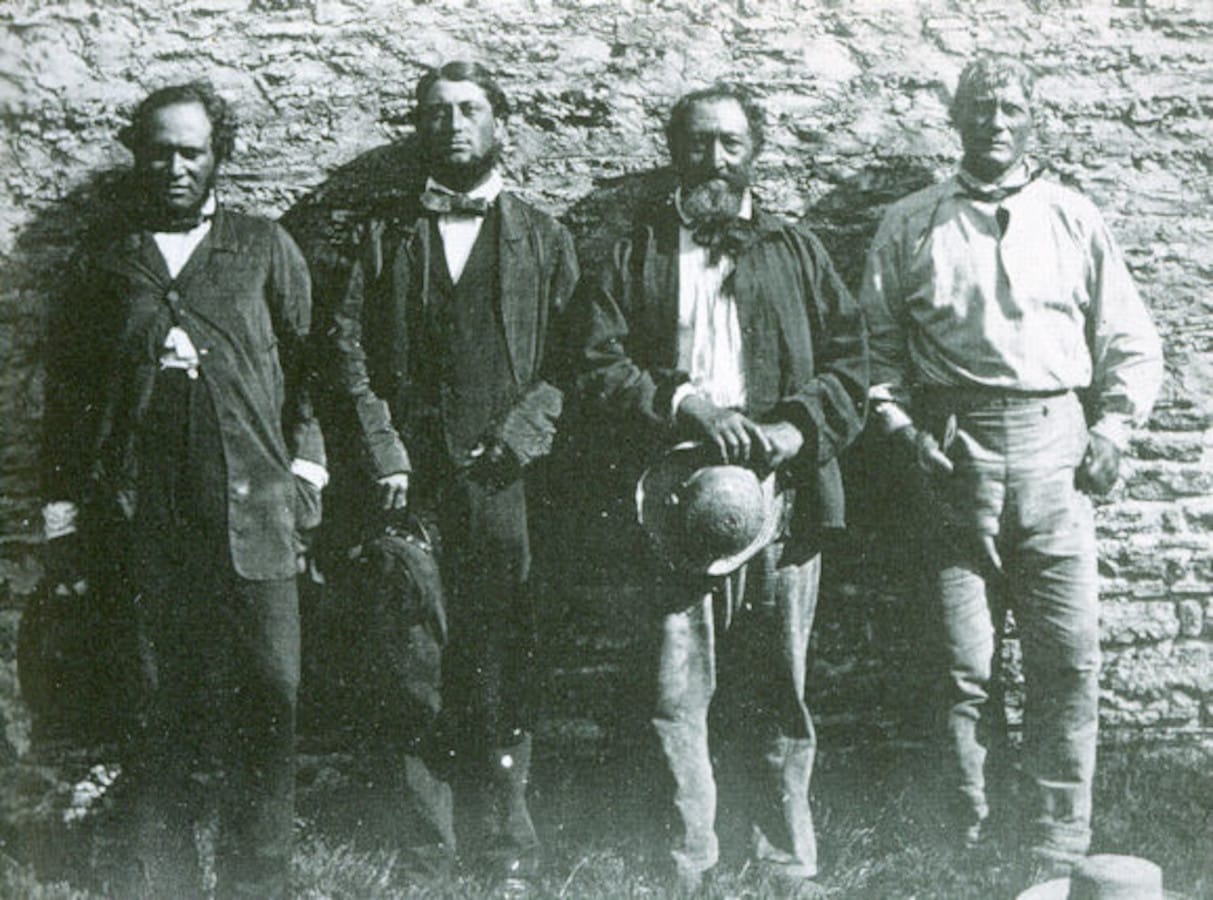
Historic Photo: Sons and grandsons of Bounty mutineers, 1862. (Mar. 27)
Both the “Historic Painting” and “Historic Photo” series have been running since the early days of this blog. Occasionally there’s an opportunity to cross over with some of my YouTube material, as happened with this particularly interesting photo, taken on Pitcairn Island in 1862. I was then finishing up my video—the longest one ever on my channel—which was a geographic history of the mutiny aboard the HMS Bounty and its aftermath. The mutiny occurred in 1789, and these men were the descendants of some of those who came to Pitcairn as a result. Their faces are living history. As I explained in the article, the darkness and tragedy that stalked the fragile little society on Pitcairn Island is an enduring legacy of the Bounty story. Maybe this just looks like a photo of four random 19th century men, but, as usual with history, the more you know about the past, the more amazing this picture becomes. It’s the very best of the Historic Photo series.

Historian vs. AI: The technology sucks and is basically a scam. (May 5)
Here it is: my longest-ever article on the Garden of Memory, and one of the most topical. I’ve read about, worked with, and experimented with artificial intelligence before, but 2025 is the year I formed my enduring opinion on it—one succinctly described in the article’s title. In the article I sought to explain why, and I tried to back up my arguments as best I could. The research I did for this article was ultimately one of the springboards to my recent video on my YouTube channel, “The Cult of Technology: From Railroads to AI.” You could say that these two pieces have pretty clearly marked out where I stand in the AI debate. It may become less of a debate in 2026, if the AI-driven economic bubble collapses, as I think it eventually will. Maybe this article will become dated eventually. I hope that it does, because it will have meant that people have moved on past the AI booster hype and begun to recognize this technology for the calamity that it truly is.
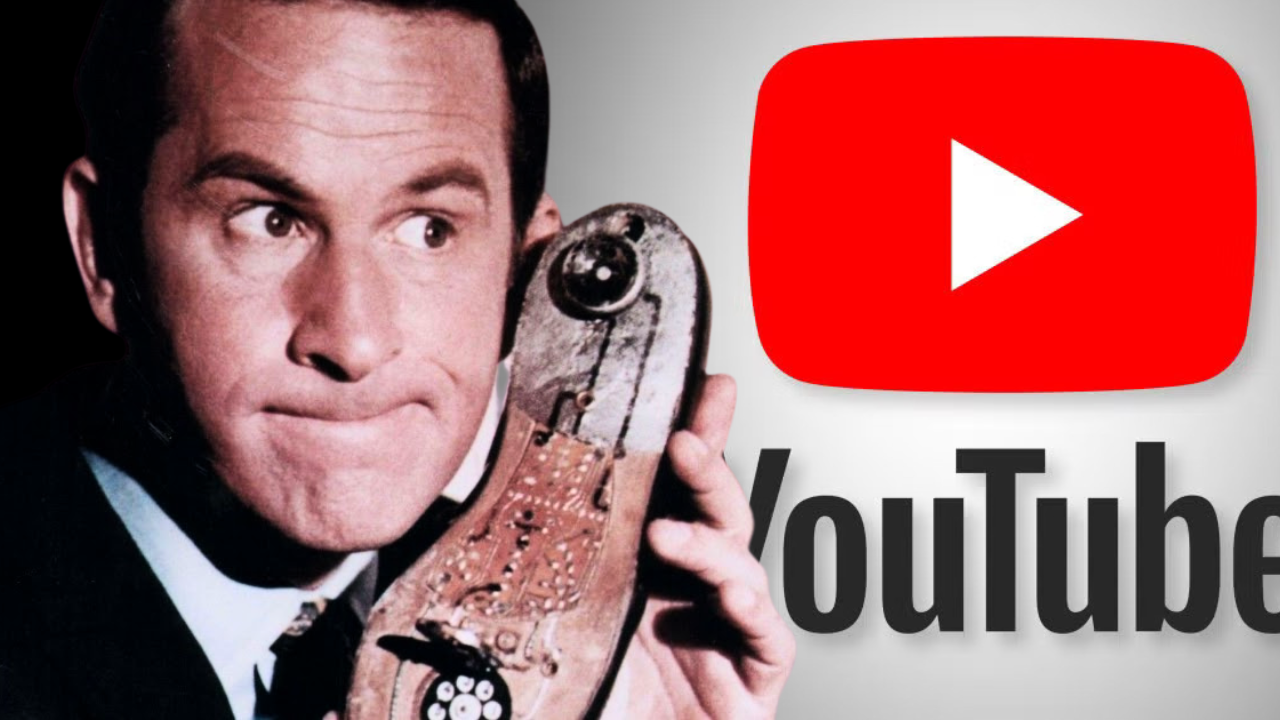
My secret profession: Am I actually a CIA agent? (June 5)
The tone of this article is pretty sarcastic and humorous, but sometimes one can only laugh at the silly delusions that some people truly believe, or claim they do. I wrote this piece mainly as a link to toss to angry YouTube commenters who insist, almost always because of my Oswald-acted-alone work, that the CIA (or some other nefarious agency) must be paying me to do videos denying conspiracies. Does anyone in the real world truly think I’m being paid by the CIA? Apparently yes, but as I explain here, it doesn’t look like they’ve really thought that much about what that would mean. There is not a single instance in the real world, so far as I can find, of the CIA paying people to make anti-conspiracy YouTube videos. Will that fact deter the paranoiacs? Never. But at least I can poke a little fun at the phenomena, which would be hilarious if it wasn’t so pathetic.
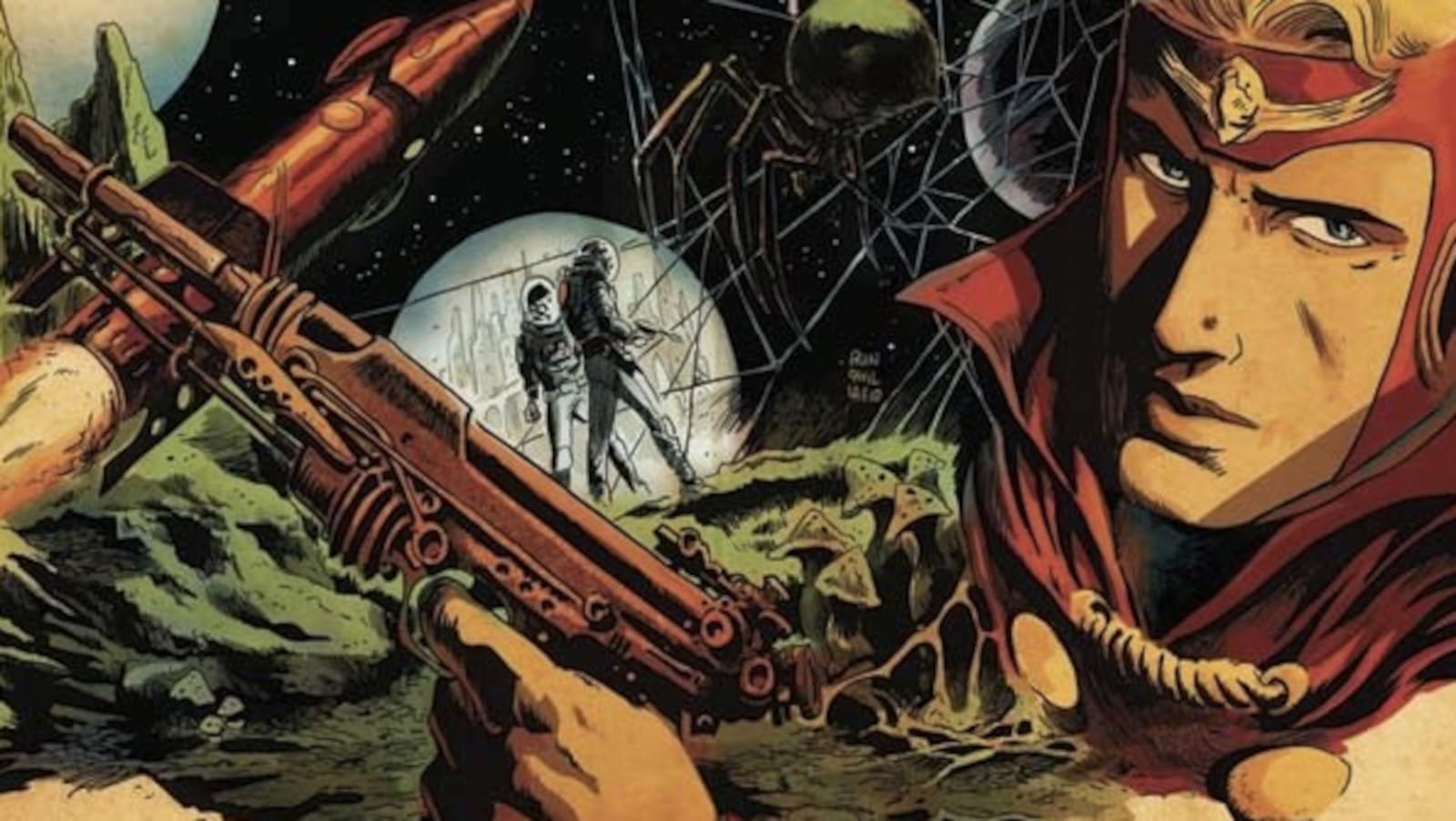
Choose your weapon: The tech of my science fiction book “Faraway Star.” (July 27)
I wrote a lot on the Garden this year about my process of fiction writing. Although I didn’t have a novel come out in 2025, I wrote two, Faraway Star and its follow-up Wild Among the Moons, during a very productive burst of activity between April and July. After that process, I wrote this article in which I talked about how the choices about the technology to use in a science fiction story shapes the story itself. I consider this article part of my year-long process of coming to terms with tech, and really a continuation of my AI articles. There’s also a historical bent here. I began writing Faraway Star in the 1990s, and it contains a lot of allegories to the Vietnam War era of the 1960s and ‘70s. Thus I found this an illuminating process of thinking about my own attitude toward technology, both in the past and the present.
Searching for a story: A look at my chaotic writing process. (Aug. 10)
This article was a part of that same process, and written not long after the end of my science fiction composing burst. Here I tried to give you a glimpse of how I come up with stories, how I try to beat them into shapes that might work as novels, and how incredibly frustrating and difficult that process is. What I learned about writing during 2025 is how little I’ve really known about writing before 2025. And writing/story construction is still a dynamic process; even after I wrote this article I implemented some major changes in the way I approach story ideas. This article would be markedly different if I wrote it today from the way it came out in August. But writing is an organic thing, and an author’s process is not, and should never be, totally static. Among many other things, this is what AI boosters cannot and will never understand when they insist that machines can do it just as well as humans. They can’t, and woe unto us if we ever decide that human creativity can be replaced by a computer.
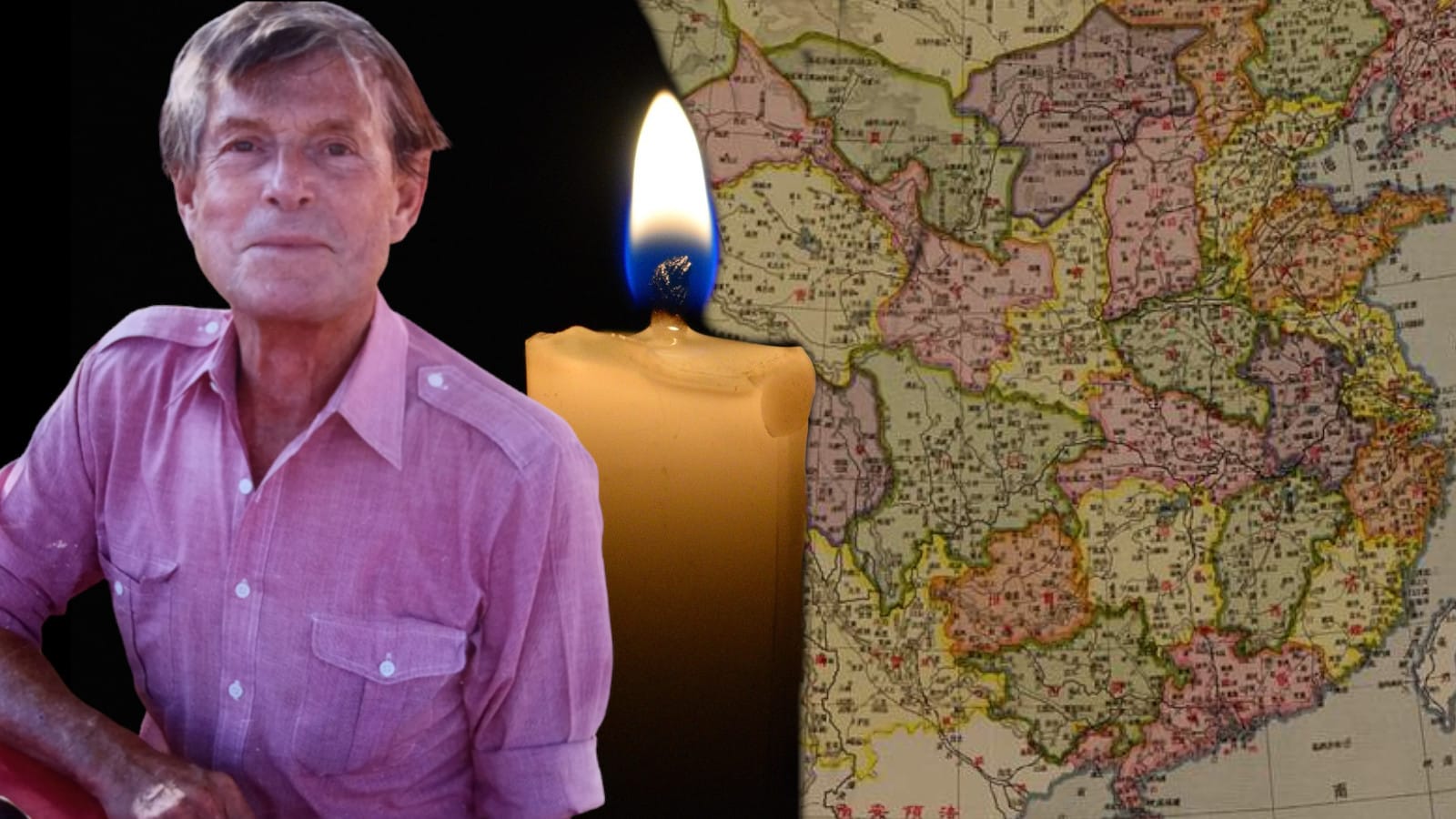
Remembering Dr. Jonathan Porter: The flame of historical inspiration. (Aug. 24)
It was the very day that previous article came out, August 10, that I found out about the death of Dr. Johnathan Porter, a history professor I had and greatly admired when I first went to the University of New Mexico in the early 1990s. I felt I had to do a tribute to him and explain what he meant to me. Dr. Porter taught Asian history, and after learning of his death I decided that my next video should be the history of revolutionary China—the subject I first learned from him—as a tribute to him. I ended up saying some words about Dr. Porter and the inspiration of history in my “China’s Long Revolution” video, but I think this article communicates more, and more deeply, what I wanted to say about him and how he changed me as a historian and a person. This is what I want this blog to be: not an obituary (obviously), but a thoughtful melding of history, personal reflection, and inspiration. If I had to pick only one article from 2025 that I think represents the reason why this blog exists, this one would be it.
The mysterious “Othrys”: My encounter with an unsuccessful social media start-up. (Sept. 15)
As a historian with a successful YouTube channel—I hate the term “content creator”—I often get hit up for various business propositions. Most of these pitches are crude, cynical and forgettable. But in the summer of 2024, when the founder of a proposed social media site called “Othrys” tried to get me to put my videos on his new platform, I had an unusual conversation that shed some more light on who gives me these kinds of pitches and what they’re trying to do. Othrys, scheduled for November 2024, never launched, and in fact there’s almost no evidence left anywhere on the internet that it was even a thing. I chose to do this article because it’s an angle that I don’t think many people see or think about. May it also stand as a cautionary tale for others who might want me to try to join similar schemes. As I pointed out to Othrys’s mysterious founder, the failure rate on these ventures is astronomically high.

It’s Not Love, Actually: Watch me do an about-face on the world’s worst Christmas movie. (Dec. 10)
This blog, the Garden, did not spring into being spontaneously. I’ve had several blogs before this one, and I’ve written some stuff on them that I’m not entirely proud of. Admittedly the stakes of this topic, whether the 2003 British comedy/drama Christmas film Love Actually is a good movie or a bad one, are pretty low. Back in 2013 on my old blog I defended the film, but having watched it again in 2025 you could say I’ve changed my mind. I like this article because writing it made me think about how my own perceptions and attitudes have changed over the past dozen tumultuous years. Today I just can’t quite fathom how I once enthusiastically went to bat for this dreadful picture. Live and learn, I guess. But above all, please pick better Christmas movies than this one. Life is short.
I want to thank you again for reading this blog in 2025 and being a part of my community. There’s no telling where the coming year will take us, but I hope you’ll still be with me when I write next year’s version of this article, exactly 365 days...from right now.
The Value Proposition
Why should you be reading this blog, or receiving it as a newsletter? This is why.
☕ If you appreciate what I do, buy me a virtual coffee from time-to-time to support my work. I know it seems small, but it truly helps.
📖 You could also buy my newest book.
🎓 Like learning? Find out what courses I’m currently offering at my website.
📽 More the visual type? Here is my YouTube channel with tons of free history videos.



Comments ()