Toward a theory on the death of the Republican Party.
Both of the major U.S. political parties are dead, or soon will be. Here are my thoughts on how the GOP destroyed itself.
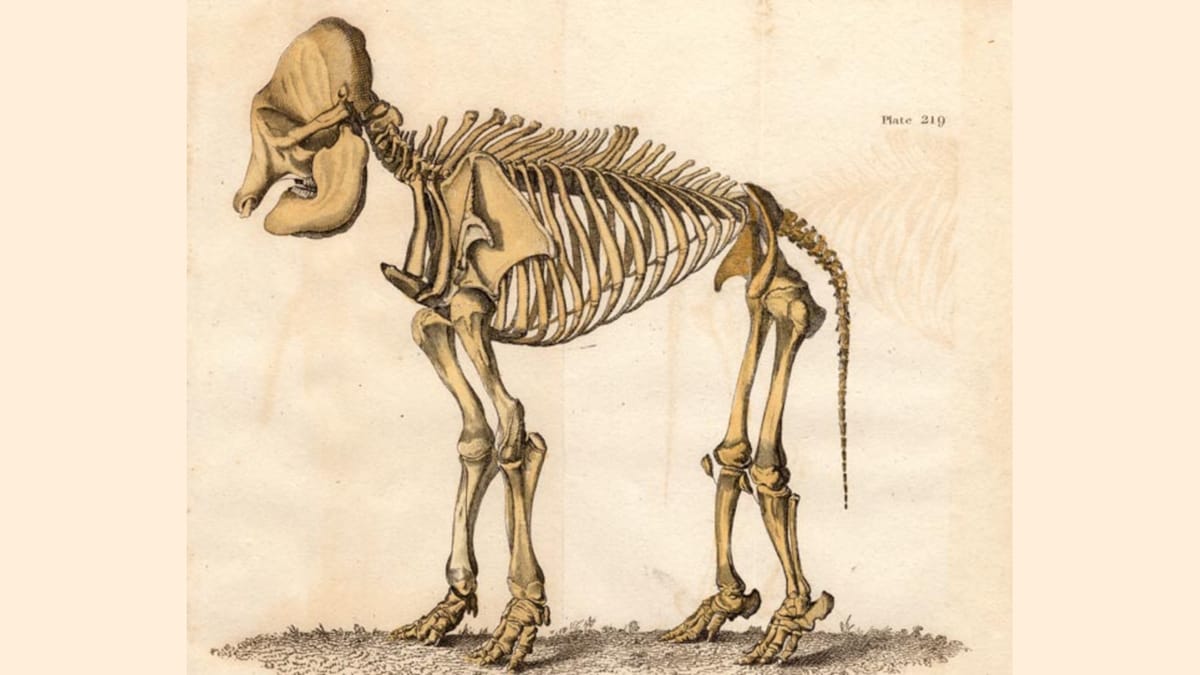
The next deep-dive video I’m working on for my channel is about Millard Fillmore, the 13th President of the United States. As I quickly learned when I delved into the research for it, it’s impossible to tell Fillmore’s story without telling the story of the Whig Party, which between 1833 and 1855 was one of the two major political parties in the United States. A major realignment of the U.S. party system occurred in the years prior to the Civil War. This historical situation naturally draws parallels to today’s political conditions. I’ve heard some historians suggest that we may recently have, or perhaps soon will be, moving into a new “party system” in the history of American politics. While as a historian I don’t have the stamina (or a decade to spare) to delve exhaustively into that question, I do think it’s fair to speculate that, today in 2026, at least one and probably both major political parties in the U.S. are undergoing, or soon will undergo, implosion, dissolution, or radical reorganization. It seems obvious that, in the age of Trump, the Republican Party simply no longer functions, and may not even truly exist except in name. Lately I’ve been thinking about why—the answer is more complicated than just Trump—and I thought I would write down some of my thoughts.
This is going to be a lengthy article. And, lest you think I’m singling out merely one side of the rigid American political binary, I’m also planning to write an article similar to this one on the destruction of the Democratic Party. But one of them had to go first, so here are my thoughts on the demise of the Republican Party in the United States.