The lost cataclysm: The Cascadia earthquake and tsunami of 1700.
An earthquake off the coast of Oregon rocked the land, caused tsunamis in Japan and then seemingly vanished from history.
Three hundred and twenty-six years ago tonight, on January 26, 1700, at about 9:00 PM local time, one of the most severe earthquakes in recent geological history raked the part of North America that is now known as the Pacific Northwest. This incredibly violent quake was about the same magnitude as the temblor that would destroy Lisbon 55 years later, and considerably stronger than the San Francisco earthquake of 1906. The quake opened great fissures in the ground and knocked down trees like matchsticks. Although the region’s human population of Native Americans didn’t keep written records that were precisely dated, oral traditions passed down for generations after the event make clear that it was gigantic and terribly destructive, and lived long in the collective memories of Pacific Coast peoples.
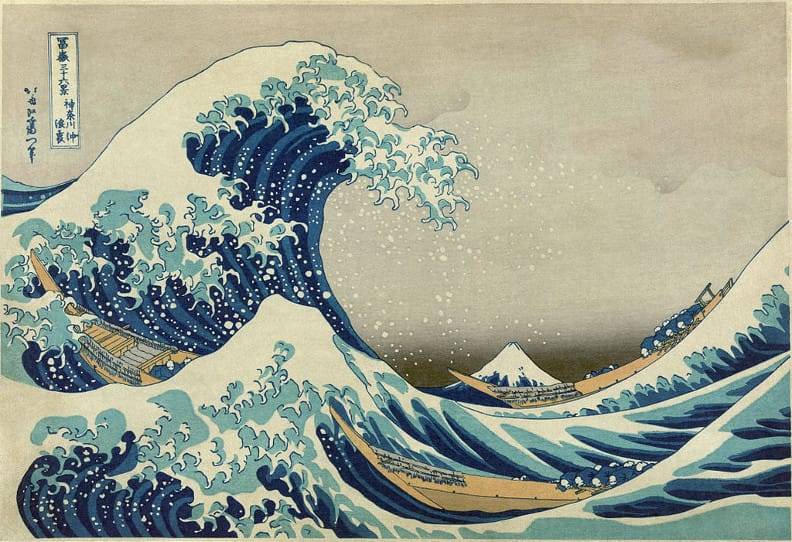
Destructive as the earthquake was in North America, though, it also had an impact across the Pacific Ocean in Japan. The monster earthquake triggered an even more terrifying tsunami that moved along the great ocean like a ripple in a bathtub. In the village of Tsugaruishi, on the northwestern coast of the main island of Honshu, a wall of high water swept away houses and was blamed for starting a fire in the town of Kuwagasaki. Damage and flooding occurred in many other Japanese coastal towns and was mentioned in official reports sent to the shogun’s capital at Edo, as well as private family sources. The 1700 tsunami did kill a few people and cause property damage, but it certainly wasn’t an epic disaster that would sear its way indelibly into the history books—which is why virtually no one in the modern world knew about it until fairly recently.