Strange synchronicity: Finishing an antiwar novel in a time of war.
I wish my upcoming book was just a fun story. Recent events have made it sadly topical.
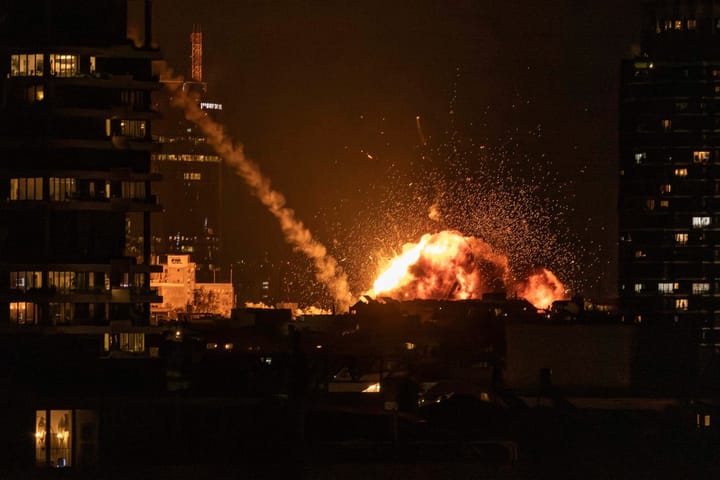
Hopefully most of you know that, in addition to my historical and teaching work, I’m also an author. Sometime in the next few months, hopefully in the spring or summer, I’m going to be releasing my newest book, Faraway Star, a science fiction novel. Last year during and after the intensive push to finish it (and its sequel, Wild Among the Moons) I wrote a couple of articles about it, specifically here (paid tier) and here. Long story short, I began working on the basic ideas of the story more than 30 years ago, in 1993 when I was in college. Now, more than a generation later, it’s finally ready to come out into the world. It is a complete and rather unfortunate coincidence that my process of finishing the novel and readying it for publication happens to have occurred now, just as the United States is entering another war, and a uniquely unjust, foolish and stupid one. American bombs began raining down on Iran on the very day I was recording the final chapters for the Faraway Star audiobook. Whether the U.S. is still engaged in active hostilities when the book comes out remains to be seen; I suspect it will be. Even if it isn’t, the attack on Iran has dragged the world toward a much more violent, warlike and unstable state. I frankly wish my book would not be as topical as it’s evidently going to be. But the convergence of these events has made me think a lot about what I wanted to say in the book, and what I still want to say about the conflict with Iran.
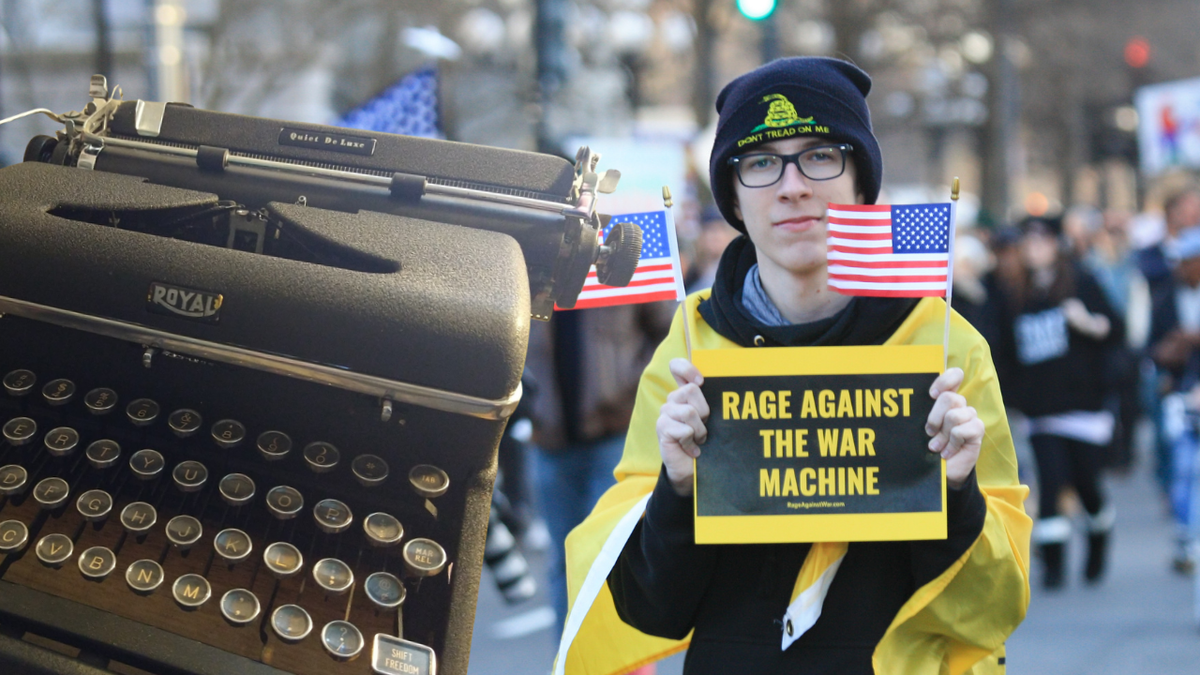
Faraway Star takes place against the backdrop of a massive and destructive war occurring in another part of the galaxy. Its main character, Raljebi, from the planet Caprion, decides to leave the college he’s attending on a neutral planet to join a protest camp filled with demonstrators against the war which involves his planet and two other powerful galactic states. Raljebi’s continued efforts to distance himself from the war—which he believes is a cynical imperialist bid for power—have the effect of drawing him closer to it, although he never joins an army or takes part in a battle. Later in the novel he winds up in an enemy internment camp, separated from the young son he fathers with Queyzan, a woman from the society his planet is at war with. The war in Faraway Star is a constant enemy, an inexorable force that is as exhausting and exasperating as it is inescapable. I should also mention that his planet, Caprion, is ruled by a fascist government.